
- All
- Product Name
- Product Keyword
- Product Model
- Product Summary
- Product Description
- Multi Field Search

Views: 0 Author: Site Editor Publish Time: 2026-03-05 Origin: Site


A small wear part can stop an entire crushing line. In VSI crushers, constant impact and abrasion make part quality critical to uptime, output, and cost. In this article, you will learn how cast VSI crusher parts differ by material, where they perform best, and what to consider when buying and maintaining them.
Choosing the right cast VSI crusher parts starts with a simple principle: different parts wear in different ways, so they should not all be made from the same material. Inside a VSI crusher, the rotor tips, distributor plate, feed components, and wear plates do different jobs under different stress patterns. Some surfaces are hit by fast-moving feed at the first point of contact, while others mainly absorb abrasion from continuous material flow. That is why material selection should follow the role of each component rather than a one-material-fits-all rule.
In practice, rotor tips are among the most critical wear parts and often use alloy steel with tungsten carbide inserts. Distributor plates are commonly associated with high chrome iron, while some impeller or blade parts are better suited to manganese steel because of its work-hardening behavior. The right approach is to evaluate where the part sits, what kind of load it sees, and how failure would affect the rest of the machine.
VSI part area | Main wear pattern | Material priority |
Rotor tips | High-speed impact + abrasion | Extreme wear resistance |
Distributor / feed entry zone | First-contact abrasion | Hardness against sliding wear |
Impeller / blade area | Repeated impact + wear | Toughness with wear resistance |
Wear plates / liners | Ongoing material scouring | Balanced protection and service life |
Even the best-made cast part can underperform if it is matched to the wrong feed. Feed characteristics shape wear life more than many buyers expect. Hard, abrasive stone such as granite or basalt tends to punish parts with insufficient hardness, while feed containing irregular oversize pieces may create impact loads that make brittle materials fail early. Moisture also matters because sticky or wet feed can affect material flow, create uneven loading, and increase localized wear.
A practical way to evaluate feed before ordering parts is to check:
● how abrasive the stone is in daily production
● whether the crusher sees stable or mixed feed size
● whether moisture changes material flow through the rotor
● whether the application is focused on sand shaping, aggregate production, or harsher mining duty
This is also why two plants running the same VSI model can report very different wear life from similar-looking cast spare parts. One may be processing dry, consistent feed, while the other handles wetter, harder, or less controlled material. In that situation, comparing parts by catalog description alone is misleading.
The lowest-priced part is not always the lowest-cost choice. For cast VSI crusher parts, the more useful comparison is cost per ton processed. A cheaper part that wears quickly may force more shutdowns, more labor, and more frequent replacement, while also increasing the risk of secondary damage to nearby components. Higher-grade materials such as high chrome iron or carbide-reinforced parts may cost more upfront, but they can reduce downtime and maintenance cost when used in the right wear zone.
When buyers compare options, they should look beyond unit price and weigh the full operating picture:
● expected service life in the actual feed condition
● replacement frequency over a production cycle
● downtime required for changeout
● risk of damaging the rotor or adjacent wear parts
● effect on output stability and maintenance planning
This approach is especially important in VSI operations because wear parts do more than wear out. They influence feed distribution, rotor balance, and crushing consistency. A part that lasts longer and wears more predictably may deliver better value than a lower-cost alternative that disrupts production too often.
High chrome cast iron is commonly used in VSI wear zones where abrasion is constant and material velocity is high. In practical terms, that usually means feed-entry parts, distributor-related components, liners, and other surfaces that see continuous scouring rather than heavy shock. The reason it performs well is straightforward: high chromium content promotes the formation of hard carbides, which makes the casting much more resistant to sliding wear and material erosion.
That same hardness, however, also explains the limitation of high chrome cast iron. A hard material resists wear well, but it is less forgiving when the application involves strong repeated impact, tramp metal, or unstable feed. In those situations, a part can resist abrasion yet still be vulnerable to cracking or brittle failure. For that reason, high chrome is often the right answer for abrasive zones, but not automatically for every cast VSI crusher part.
Material option | Best suited wear condition | Typical VSI use focus | Main limitation |
High chrome cast iron | Severe abrasion, high-speed material scouring | Feed-entry parts, liners, distributor-related wear zones | Lower tolerance for heavy shock or sudden impact |
Manganese steel / alloy steel | Repeated impact, shock loading, mixed wear | Impeller or blade areas, impact-prone structural wear parts | May wear faster than harder alloys in purely abrasive zones |
Tungsten carbide reinforced cast parts | Extreme localized wear | Rotor tips and other critical attack points | Higher upfront cost |
When a VSI component has to absorb repeated impact instead of just resisting surface wear, manganese steel and selected alloy steels become more useful. The most important reason is toughness. Manganese steel is well known for work hardening: under repeated impact, the surface becomes harder while the core remains tough enough to absorb shock. That behavior makes it especially valuable in impact-heavy conditions where a harder but more brittle material might chip or fracture.
In some VSI applications, this means toughness matters more than maximum hardness. A part that survives repeated shock and keeps its shape can be more valuable than one that starts harder but fails early under unstable loading. Alloy steels play a similar role when operators need a more balanced mix of wear resistance, toughness, and structural reliability than a single high-hardness material can provide.
Tungsten carbide reinforced cast VSI crusher parts are typically used where wear is most aggressive and most concentrated, especially on rotor tips and similar attack points. These components meet the feed first, at very high speed, so standard cast alloys may lose material too quickly. Carbide inserts solve that problem by adding an ultra-hard wear surface to the areas that take the harshest punishment.
The trade-off is practical rather than technical: these parts usually cost more upfront, but in demanding crushing conditions they can last longer, reduce changeout frequency, and protect adjacent rotor components from accelerated wear. That makes them most valuable not as a universal material choice, but as a targeted upgrade for the most punishing wear points.
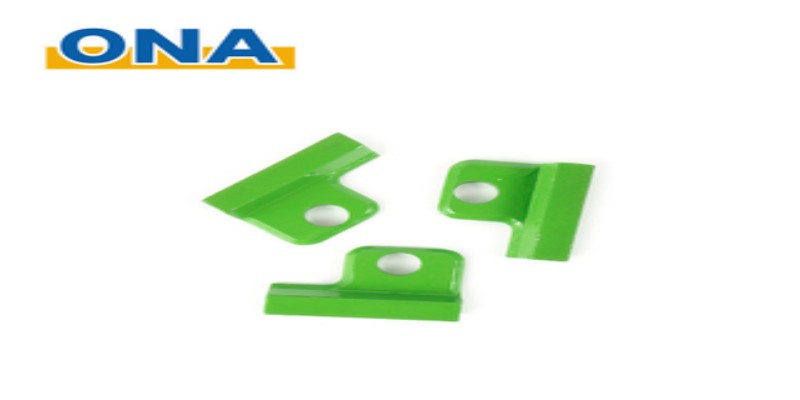
One of the most practical benefits of well-made cast VSI crusher parts is longer service life in the wear zones that matter most. When the casting material is matched to the actual working condition and the part is produced with the right geometry, wear tends to be slower, more even, and easier to predict. That leads to longer replacement cycles, especially for components such as feed eye rings, wear plates, and rotor-related parts.
That matters because unplanned shutdowns rarely start with a dramatic failure. More often, they begin with accelerated wear, unstable feeding, or a part that reaches its limit earlier than expected. A cast part that lasts longer does more than reduce purchasing frequency; it gives the maintenance team a clearer service window and lowers the chance of emergency changeouts during production hours.
Operational area | Benefit of well-made cast parts | Practical result |
Wear life | Slower and more controlled wear | Longer replacement intervals |
Uptime | Lower risk of premature failure | Fewer unplanned shutdowns |
Crusher stability | Better fit and dimensional consistency | More predictable running condition |
Maintenance | Easier scheduling of part changeout | Lower labor disruption over time |
Wear parts in a VSI crusher are not just consumables. Their condition directly affects how the machine runs. Stable feed distribution, accurate component dimensions, and balanced rotor operation all influence crushing efficiency and finished product consistency. In other words, when parts are precision-cast and wear in a controlled way, they help preserve rotor balance, material flow, and particle shaping performance over time.
This is especially important in applications where output shape and gradation must stay consistent. A worn or poorly fitted feed component can disturb distribution into the rotor, while uneven wear around the rotor assembly can introduce vibration and reduce operating stability. Better parts help the machine stay closer to its intended working condition rather than gradually drifting into inefficient or unstable operation.
Reliable cast wear parts also make maintenance planning more predictable. When service life is more consistent, operators can plan inspections, stock replacements more accurately, and reduce reactive labor. Long-term value becomes a maintenance issue as much as a material issue.
Over time, the cost benefit comes from fewer emergency repairs, less production interruption, and less chance that worn parts will damage the rotor, feed system, or protected internal surfaces before replacement takes place.
A practical maintenance plan starts with frequent inspection of the parts that wear fastest: rotor tips, feed tubes, distributor-related components, cavity wear plates, and liners. These parts operate in the highest-impact and highest-abrasion zones, so waiting until failure usually means the damage has already spread beyond the wear part itself. Timely replacement before wear affects crushing efficiency or output quality is often far less expensive than repairing the damage caused by overused components.
Component to monitor | What to watch for | Why early action matters |
Rotor tips / back-up tips | Fast thickness loss, exposed wear zone | Helps protect the rotor body from secondary damage |
Feed tube / distributor parts | Uneven wear, flow disturbance | Maintains stable feed distribution and limits localized wear |
Cavity wear plates / liners | Thinning, edge loss, material buildup | Prevents wear from reaching protected structural areas |
Rotor assembly | Imbalance, vibration, unusual noise | Reduces risk of bearing and shaft-related damage |
Rotor balance is one of the most overlooked causes of short wear life. An imbalanced rotor does not just create vibration; it accelerates bearing wear, increases structural stress, and can shorten the life of surrounding cast VSI crusher parts. This is why worn items such as rotor tips should be replaced in matched sets where balance is critical. Uneven replacement can disturb the rotor and trigger premature mechanical problems.
Replacement practice matters almost as much as part quality. Installing one new wear part beside several heavily worn ones may look cost-efficient in the moment, but it often creates a larger maintenance problem later. In VSI service, balance is part of wear control, not a separate issue.
Maintenance is not limited to inspection and replacement. It also includes controlling how the crusher is fed and operated. Poor feed distribution, oversized feed, and unstable settings all contribute to faster wear on rotor tips, wear plates, and feed components. An even feed helps distribute impact more uniformly, while oversized or poorly centered material creates localized attack points that shorten part life and can upset rotor balance.
Operators should pay close attention to three operating habits that directly influence wear:
● keeping feed size within the intended range
● maintaining even material distribution into the rotor
● avoiding unstable speed or load conditions that add unnecessary stress
These are operating controls, but they function as maintenance tools because they directly shape wear behavior inside the machine.
Some failures are not caused by poor maintenance alone, but by the wrong material in the wrong wear zone. Early warning signs include cracking, unusual localized wear, unstable product output, and vibration that returns soon after replacement. Structural damage and fatigue problems are often linked to improper feed distribution, overloading, unsuitable materials, and poor maintenance timing.
When these symptoms appear too early in a part’s service life, the issue may be application mismatch rather than normal wear. In that case, the response should go beyond replacing the failed part and include reviewing feed conditions, impact level, and whether the selected alloy is appropriate for that specific VSI duty.
Choosing cast VSI crusher parts means matching the right material to the right wear condition, not just replacing worn pieces. Real value comes from understanding the application, comparing materials by working conditions, and using regular maintenance to protect performance. Ma' Anshan ONA Intelligent Equipment Co., Ltd. adds value through durable wear parts, stable quality, and support that helps lower long-term operating costs.
A: Cast VSI crusher parts are wear components made for impact and abrasion zones in a VSI crusher, including tips, liners, and feed parts.
A: Select cast VSI crusher parts by matching material to wear zone, feed abrasiveness, impact level, and expected service interval.
A: The best material for cast VSI crusher parts depends on duty: high chrome for abrasion, manganese or alloy steel for impact, carbide for critical wear points.
A: Cast VSI crusher parts often fail early because of material mismatch, uneven feed, rotor imbalance, or delayed replacement.


