
- All
- Product Name
- Product Keyword
- Product Model
- Product Summary
- Product Description
- Multi Field Search

Views: 0 Author: Site Editor Publish Time: 2026-04-28 Origin: Site


Two crushers can look similar on paper but perform very differently in a real plant. A cone crusher uses compression, while a VSI crusher uses high-speed impact to shape material. In this article, you will learn which option suits harder rock, which delivers better particle shape, and how VSI crusher parts can affect long-term value.
A cone crusher reduces rock by compressing it between two main wear surfaces: the moving mantle and the stationary concave. As the mantle rotates eccentrically, the gap inside the crushing chamber keeps narrowing and opening, forcing material to break as it travels downward. This crushing method is designed for continuous size reduction rather than aggressive shaping, which is why cone crushers are widely used in secondary and tertiary stages where hard feed must be processed efficiently.
This compression-based action is especially effective on hard, abrasive materials such as granite, basalt, and other dense rock types. In these conditions, a cone crusher can deliver high throughput with relatively stable wear performance, making it a practical choice when the main goal is to reduce rock to a target aggregate size. Because the machine works by squeezing rather than throwing material at high speed, it is generally better suited to heavy-duty reduction than to producing premium sand.
A VSI crusher works in a very different way. Instead of squeezing rock, it feeds material into a high-speed rotor that accelerates particles outward. Those particles then strike either a surrounding rock bed or metal anvils, breaking on impact. This rock-on-rock or rock-on-metal crushing action creates a much more dynamic breakage pattern, with particles fracturing along natural stress lines rather than being flattened by pressure.
Because of that mechanism, a VSI crusher is particularly effective in the final crushing stage, where shaping matters as much as size reduction. It is commonly used to refine aggregate, improve particle uniformity, and produce manufactured sand with a more cubical profile. In plants where product quality directly affects sale price or downstream concrete performance, this final-stage shaping function is often the main reason a VSI is added.
Crusher Type | Main Breakage Method | Best Fit in the Process | Typical Output Focus |
Cone crusher | Compression between mantle and concave | Secondary or tertiary crushing | Aggregate reduction and high-volume hard-rock processing |
VSI crusher | High-speed impact through rotor acceleration | Tertiary or quaternary crushing | Particle shaping and sand production |
The crushing principle directly affects three production outcomes: particle shape, fines behavior, and plant role. Compression crushing tends to generate more angular, sometimes elongated particles, which can be acceptable for many aggregate applications but less ideal when strict shape specifications apply. Impact crushing in a VSI crusher is better at producing cubical material and more refined fine aggregate, which is why it is often selected for shaping or sand making rather than bulk reduction.
This is the key reason the two machines are used differently in a crushing circuit. A cone crusher is usually chosen for efficient reduction of hard rock, while a VSI crusher is selected when the final product must meet tighter requirements for shape, grading, or manufactured sand quality.
When final product shape is a priority, a VSI crusher usually has the advantage. Its high-speed impact action breaks rock by throwing particles against a rock bed or metal surfaces, which encourages fracture along natural stress lines rather than simple compression. That process tends to create more cubical, evenly shaped particles with fewer flat or elongated pieces. In practical terms, this is why a VSI crusher is often selected for shaping duties and for producing manufactured sand rather than for heavy primary reduction.
That shape advantage matters in end-use industries where aggregate is not judged by size alone. In concrete and asphalt production, more cubical particles typically improve packing, flow, and uniformity. Better-shaped sand and aggregate can also help producers meet tighter specifications for premium mixes, especially when the finished material must deliver predictable workability and surface quality. For plants targeting higher-value products rather than only high tonnage, shape is often a commercial factor, not just a technical one.
A cone crusher is still highly effective, but its strength is different. Because it crushes through compression, it is especially good at reducing hard and abrasive feed into usable aggregate sizes with strong throughput and dependable performance. This makes cone crushers well suited for secondary or tertiary crushing roles where the plant needs steady reduction on materials such as granite, basalt, or other dense rock.
The trade-off is that compression crushing may produce more flaky or elongated particles than a VSI crusher, particularly when the circuit is optimized for capacity rather than shaping. That does not mean cone output is poor. It means the material is often better matched to applications where efficient size reduction matters more than premium particle shape. Many aggregate plants rely on cone crushers precisely because they offer durability, productivity, and good control over finished size in hard-rock processing.
Output Factor | VSI Crusher | Cone Crusher |
Typical particle shape | More cubical and refined | More angular, with higher risk of flaky particles |
Best product focus | Manufactured sand and shaped aggregate | Size-reduced aggregate and hard-rock processing |
Common value advantage | Better shape for concrete and asphalt specs | Strong throughput and efficient reduction |
Usual circuit role | Final-stage shaping | Secondary or tertiary reduction |
In stable operating conditions, both machines can support controlled production, but they influence gradation differently. A VSI crusher is often favored when producers want a more refined final product and better shaping consistency, especially in sand-making circuits. A cone crusher, by contrast, is typically relied on for efficient reduction and controlled aggregate sizing, but its output profile can shift more noticeably as liners wear or feed conditions change.
Several operating factors affect both machines in real plants:
● feed uniformity and moisture level
● wear condition of liners or impact surfaces
● chamber or rotor setup
● recirculation and screening efficiency
Because of these variables, the “better” final material depends on what the plant is trying to sell: cone crushers are usually better for volume-oriented aggregate reduction, while VSI crushers are generally better when shape, surface quality, and sand grading carry more value in the finished product.
A cone crusher is usually the better choice when the feed material is hard, abrasive, and dense. In real quarry and aggregate operations, this often means stone such as granite, basalt, and similar rock types that place heavy demands on crushing equipment. Because the machine works through compression rather than high-speed impact, it is well suited to sustained reduction duties where durability and throughput matter more than final particle shaping. This makes it a strong fit for plants that need reliable production of coarse or medium aggregate under demanding conditions.
It is also commonly selected for secondary or tertiary crushing when the main production goal is efficient size reduction. In that role, the cone crusher can process already reduced feed and turn it into usable aggregate with good capacity and relatively stable performance. Buyers who prioritize output volume, hard-rock handling, and efficient reduction often find that a cone crusher fits the process better than a VSI crusher, especially when the final product does not require premium shaping.
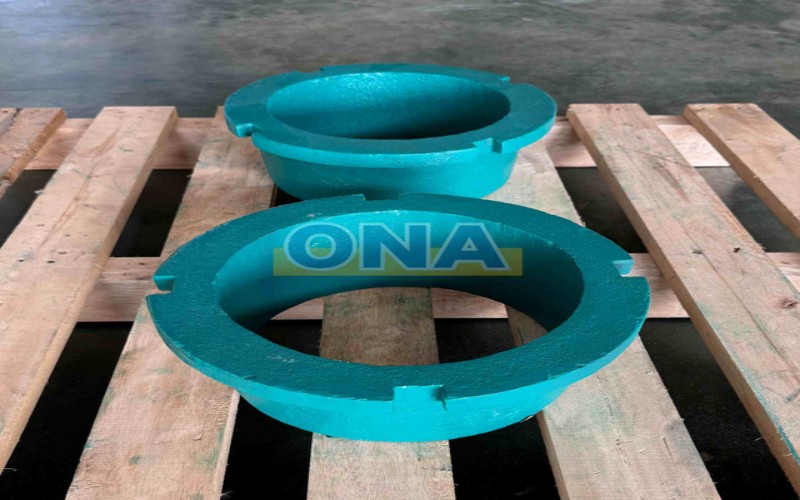
A VSI crusher becomes the stronger option when the plant needs higher-value finished material rather than just smaller rock. Its most common role is final-stage shaping, where particle form directly affects marketability. By using high-speed impact, a VSI crusher can improve cubicality, refine edges, and deliver a more uniform final product, which is why it is widely used for premium aggregate and manufactured sand production.
This matters most when product value depends on appearance, grading, and surface quality. In manufactured sand lines, for example, the difference between ordinary crushed fines and well-shaped sand can directly influence acceptance in concrete and asphalt applications. A VSI crusher is also a better fit when the buyer needs cleaner, more consistent output for strict specifications or higher-end downstream use.
Production Need | Better Choice |
Hard, abrasive rock with high reduction demand | Cone crusher |
Secondary or tertiary crushing focused on throughput | Cone crusher |
Final-stage shaping for premium aggregate | VSI crusher |
Manufactured sand with stronger particle shape control | VSI crusher |
Cleaner, more uniform finished material | VSI crusher |
In many modern plants, the real decision is not whether to choose a cone crusher or a VSI crusher, but how to combine them efficiently. A common arrangement is to place the cone crusher first so it handles the heavier reduction work, then use the VSI crusher afterward to improve particle shape and refine the final product. This allows each machine to do the job it performs best: the cone reduces hard material economically, while the VSI improves the saleable quality of the output.
This combined setup is especially common when a plant must balance capacity with premium product requirements. Instead of forcing one machine to do everything, operators can use the cone crusher to control feed size and overall throughput, then rely on the VSI crusher to create a better-shaped aggregate or manufactured sand product at the last stage.
Many buyers start by comparing purchase prices, but that is rarely the most useful way to evaluate a cone crusher against a VSI crusher. A machine with a lower upfront cost may still produce lower-value material, require more follow-up processing, or create output that is harder to sell into premium applications. In practice, the better financial question is not “Which crusher is cheaper to buy?” but “Which crusher creates the most value per ton of finished product?”
That distinction matters because these machines often support different business goals. A cone crusher is often chosen for efficient reduction of hard rock and strong throughput in aggregate production. A VSI crusher, on the other hand, may justify its role by improving particle shape and helping producers reach higher-spec markets such as premium aggregate or manufactured sand. When product quality directly affects selling price, a more expensive shaping stage can still improve overall returns if the final material earns a stronger margin.
Cost factor | Cone crusher | VSI crusher |
Main value driver | Efficient hard-rock reduction and throughput | Better shaping and higher-value finished material |
Best financial measure | Cost per ton of reduced aggregate | Value per ton of shaped aggregate or sand |
Typical buying mistake | Focusing only on purchase price | Ignoring quality premium in the final product |
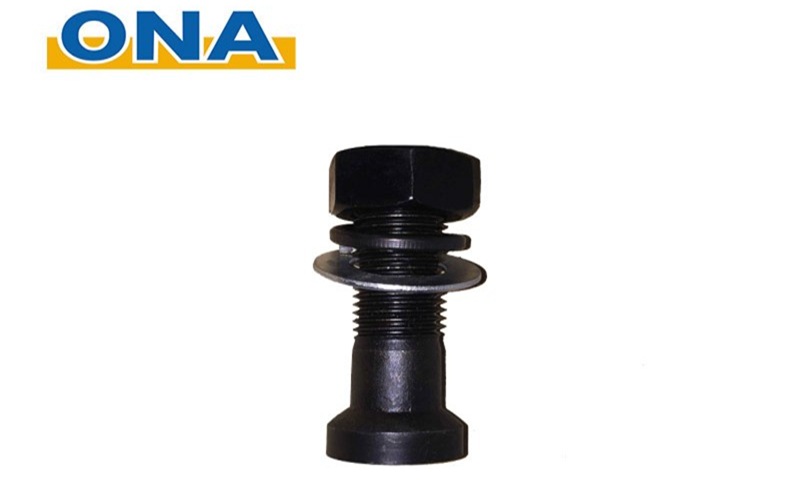
Wear and maintenance planning also differ because the two machines break rock in different ways. In a cone crusher, the key wear surfaces are the mantle and concave liners. As these liners wear, the chamber profile gradually changes, which can affect product size, consistency, and operating efficiency. That means maintenance is not only about replacing parts after failure; it also involves planning liner change intervals before performance drops too far.
A VSI crusher has a different wear pattern because it relies on high-speed impact rather than compression. Important VSI crusher parts usually include rotor tips, anvils, and other internal components exposed to repeated impact and abrasion. These parts are designed for fast wear environments, especially in shaping and sand-making duties, so replacement schedules may be more frequent even when the machine is delivering the right product quality.
For buyers evaluating long-term service needs, a few maintenance factors deserve close attention:
● how often wear parts must be inspected or replaced
● how part wear affects output quality before failure occurs
● how much downtime is required for routine service
● whether the plant is optimized for reduction, shaping, or both
Because cone crushers and VSI crushers solve different production problems, their maintenance demands should be judged against the value of the product they are expected to produce.
The best crusher choice usually becomes clearer once the final product is defined. Instead of starting with machine type, start with the material you want to sell. If the target is coarse aggregate for general construction, the decision will often favor reduction efficiency. If the goal is shaped aggregate or manufactured sand, product form becomes much more important, and that changes which crusher adds more value to the circuit. In other words, the required output should guide the machine choice before price, brand, or layout preferences.
Production goal | Most suitable option |
Coarse or medium aggregate from hard rock | Cone crusher |
Better-shaped aggregate for higher-spec use | VSI crusher |
Manufactured sand production | VSI crusher |
High-capacity reduction plus premium shaping | Cone crusher + VSI crusher |
Material properties and plant conditions can change the result even when the target product looks similar on paper. Hardness and abrasiveness affect wear rate, feed size affects whether the crusher is working within its efficient range, and crushing stage determines whether the machine is reducing material or refining it. A cone crusher may perform extremely well in a hard-rock secondary or tertiary role, while a VSI crusher may deliver the better result only after feed has already been reduced to a suitable size.
This is why the same machine can perform well in one plant and poorly in another. A setup designed for throughput, controlled feed, and proper screening will produce very different results from one with unstable feed or the wrong stage arrangement.
For most buyers, the practical rule is straightforward:
● choose a cone crusher for efficient hard-rock reduction and higher-capacity aggregate production
● choose a VSI crusher for better particle shape, manufactured sand, and final-stage shaping
● choose both when the plant needs strong reduction capacity and premium finished material at the same time
That approach keeps the decision tied to production goals rather than treating the machines as direct replacements for one another.
The difference between a cone crusher and a VSI crusher lies in crushing method, product shape, and application. Cone crushers suit hard-rock reduction, while VSI crushers are better for shaping and sand making. Ma'Anshan ONA Intelligent Equipment Co., Ltd. provides reliable equipment, quality VSI crusher parts, and technical support to help improve production value. If you need help selecting the right solution or replacing wear parts, contact us for professional support.
A: For sand making, a VSI crusher is usually better because it produces more cubical particles and finer material.
A: Choose a VSI crusher when final particle shape, manufactured sand quality, or shaping duty matters more than bulk reduction.
A: A cone crusher is usually better for hard, abrasive rock and high-capacity reduction before final shaping.
A: VSI crusher parts often wear faster in high-impact duties, while cone liners usually last longer in hard-rock reduction.


