
- All
- Product Name
- Product Keyword
- Product Model
- Product Summary
- Product Description
- Multi Field Search


Do you know what makes a cone crusher so vital in industries like mining and construction? It’s one of the most efficient tools for crushing hard materials into smaller, more manageable sizes.
In this article, we will explore what a cone crusher is, how it works, and its many benefits. You’ll learn how cone crushers play a key role in operations and how they outperform other crushers.
A cone crusher is a type of machine used for crushing materials by applying compression forces. It typically consists of a rotating cone inside a fixed outer cone, where the material is crushed as it passes through the narrowing gap between them. Cone crushers are ideal for crushing materials like granite, basalt, limestone, and other hard rocks.
Unlike jaw crushers, which break materials by applying shear force, cone crushers use compression to break down the material, making them suitable for processing harder and more abrasive materials.
The working principle of a cone crusher is relatively simple but highly efficient. As the material is fed into the crusher, it falls between the mantle (the moving part) and the concave (the stationary part). The mantle is spun by a motor, and as it moves closer to the concave, the material is compressed and crushed.
The crushed material then exits the cone crusher, typically through a discharge opening. This process allows cone crushers to handle high volumes of material with minimal effort while maintaining a consistent product size.
There are several types of cone crushers available, each designed to suit different crushing needs:
Type of Cone Crusher | Application |
Standard Cone Crushers | Coarse crushing; produces a larger output size. |
Short Head Cone Crushers | Finer crushing; smaller gap for a finer product. |
Gyratory Cone Crushers | Large-scale operations in mining; hybrid of cone and jaw crushers. |
The crushing process begins when material enters the crusher’s feed opening. Once inside, the material is progressively crushed between the rotating mantle and stationary concave. The pressure exerted between these components breaks the material into smaller pieces.
As the material passes through the crusher, it undergoes multiple compression stages before it reaches the desired size. This makes cone crushers especially effective for handling hard materials.

To understand how a cone crusher functions, it’s essential to know its key components:
● Mantle: The moving part that crushes the material. It continuously rotates inside the stationary concave, applying pressure to break down the material. The mantle’s movement is vital for generating the crushing force.
● Concave: The stationary part that works in conjunction with the mantle to crush the material. The concave forms the outer surface of the crushing chamber, and as the mantle moves closer, the material is compressed and crushed between these two parts.
● Eccentric Shaft: The shaft that drives the rotation of the mantle. It is powered by a motor and is the main component that generates the movement needed to crush materials. The eccentric shaft ensures the mantle follows a specific rotating path, aiding in consistent crushing.
● Hydraulic System: Used to adjust the gap between the mantle and concave for optimal crushing performance. The hydraulic system also helps with clearing blockages and maintaining the crusher’s safety, ensuring smooth and efficient operation.
● Drive Mechanism: Often powered by a motor, it turns the shaft and rotates the mantle. This drive mechanism is essential for providing the necessary torque to keep the mantle moving, which enables the crushing process to continue.
Cone crushers offer several advantages, making them a popular choice for various industries due to their efficiency, versatility, and reliability. These benefits make cone crushers ideal for processing a wide range of materials, including hard and abrasive rocks, in mining, construction, and recycling operations:
Benefit | Description |
Efficient Crushing | Fast and effective reduction of hard materials. |
High Throughput | Capable of processing large volumes of material quickly. |
Durability | Built to withstand harsh environments and heavy-duty work. |
Cost-Effectiveness | Lower operational costs due to reduced maintenance and high efficiency. |
Cone crushers are heavily used in mining operations, where they break down large pieces of rock or ore. By using cone crushers, mining operations can produce smaller, more manageable materials, such as gold ore, iron ore, and copper ore, which are easier to process and refine.
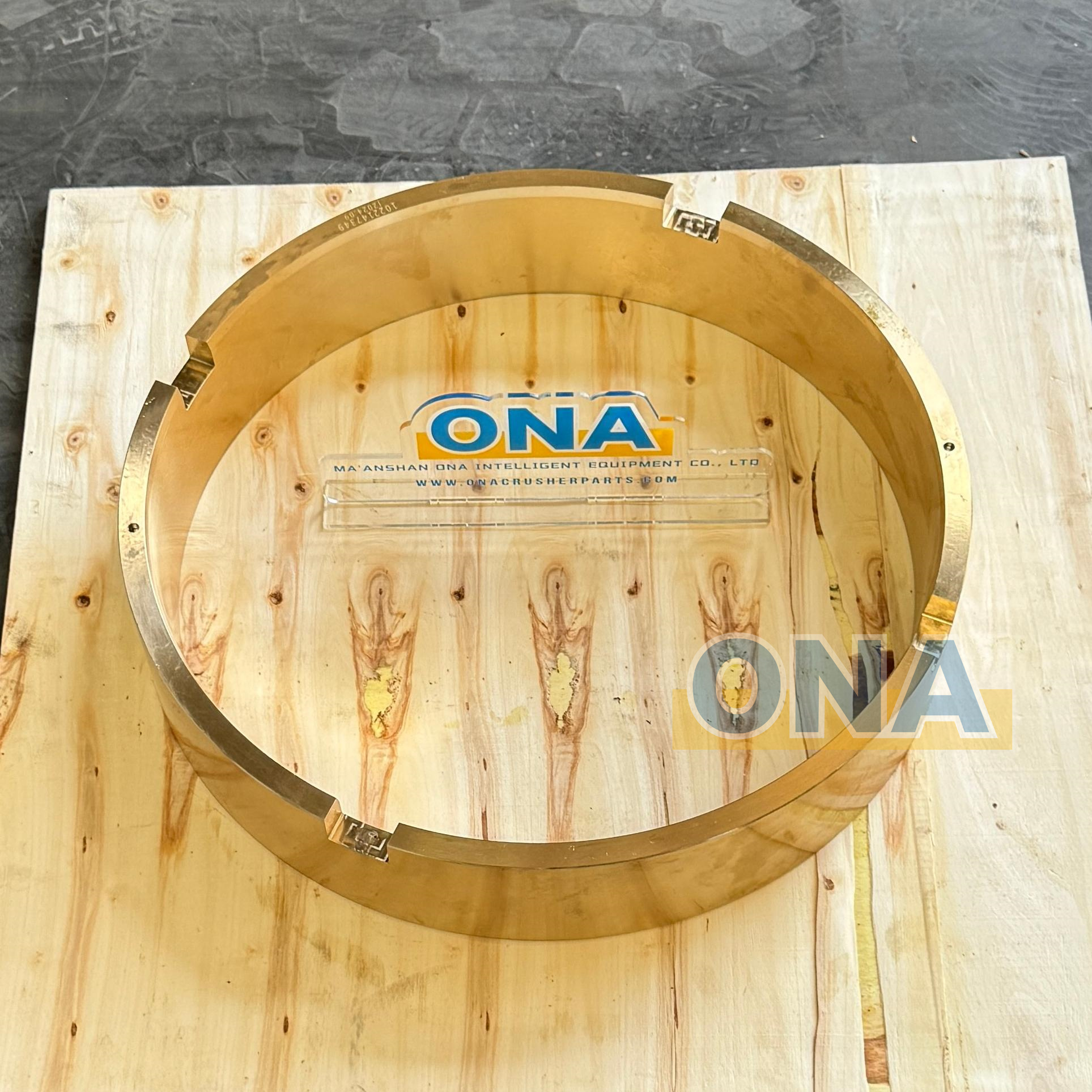
In construction, cone crushers are used to produce aggregates like sand and gravel, which are essential for concrete production. The crushing process ensures that these materials are properly sized and free from large, unwanted pieces, providing high-quality aggregates for construction projects.
Cone crushers are also highly effective in the recycling industry. Materials like concrete, asphalt, and construction debris can be processed by cone crushers, reducing them to smaller, reusable pieces. This helps in reducing waste and promoting sustainable practices.
Cone crushers are known for their efficiency in handling large volumes of material. The compression technique allows for faster processing and reduced wear on components, leading to increased operational efficiency compared to other types of crushers, such as impact crushers.
One of the primary advantages of cone crushers is their ability to handle a variety of materials. Whether it’s hard rock, minerals, or construction debris, cone crushers can process a wide range of materials without compromising performance. This versatility makes them ideal for operations that deal with various raw materials.
Cone crushers generally have lower operating costs due to their durable design and efficient operation. Their ability to produce a consistent product size means fewer re-crushing cycles are required, reducing overall maintenance and repair costs. Over time, this can result in significant savings for businesses.

To keep a cone crusher operating at its best, regular maintenance is required. Proper maintenance helps avoid unexpected downtime, extend the crusher's lifespan, and ensure consistent performance. This includes:
● Lubrication: Ensure that the bearings and other moving parts are adequately lubricated to prevent wear. Regular lubrication reduces friction, helping components operate smoothly and minimizing the risk of overheating or premature failure.
● Inspections: Regularly inspect the wear components, such as the mantle and concave, to ensure they are functioning properly.
● Cleaning: Keep the crusher free of debris and dirt to avoid clogging and ensure smooth operation. Regular cleaning helps maintain the crusher’s performance, prevents material buildup that could hinder its operation, and ensures that no foreign particles cause damage to the internal components.
While cone crushers are durable, they can encounter problems from time to time. Common issues include:
● Excessive wear: If parts such as the mantle or concave wear out too quickly, it could be a sign of improper maintenance or poor material choice.
● Hydraulic failures: These can cause the crusher to lose the ability to adjust the gap properly. Regular maintenance checks of the hydraulic system can help prevent such issues.
Tip: Regular maintenance and part replacements can extend the life of your cone crusher and reduce unexpected downtime.
A cone crusher is a vital piece of equipment in various industries, offering efficient and cost-effective solutions for crushing materials. It works by applying compressive force to break down large, hard materials into smaller, manageable sizes. Its ability to process various types of materials, such as granite and limestone, makes it highly versatile.
For businesses seeking a reliable cone crusher, Ma'Anshan ONA Intelligent Equipment Co., Ltd. provides innovative solutions designed for efficiency and durability. Their crushers are known for their robust construction and high performance, helping companies improve productivity and reduce operational costs.
A: A cone crusher is a machine used to crush materials by applying compressive force, breaking them down into smaller, manageable pieces.
A: It works by rotating a cone-shaped mantle inside a stationary concave. As the material moves through, it is crushed between the two surfaces.
A: Cone crushers offer high efficiency, durability, and versatility in handling various materials, making them ideal for mining, construction, and recycling.
A: Cone crushers provide superior crushing efficiency and are better at handling harder materials compared to other crushers like jaw crushers.
A: The cost of a cone crusher varies depending on size, capacity, and manufacturer, typically ranging from a few thousand to tens of thousands of dollars.
A: Common issues include excessive wear on the mantle and concave, hydraulic system failures, and improper gap adjustments. Regular maintenance can help prevent these problems.


